

Foxes are intelligent, high-energy animals known for their playful personalities, dramatic vocalizations, and strong curiosity about the world around them. While they may look similar to small dogs, foxes are not domesticated animals. Their behaviors, needs, and instincts are very different, and they require specialized care, secure housing, and consistent daily enrichment.
Owning a fox requires preparation and a clear understanding of what responsible exotic animal care looks like. From proper enclosure design and nutrition to enrichment and indoor considerations, fox owners must be prepared to meet these unique needs every day.
For the right owner, however, foxes can be some of the most fascinating and rewarding animals to work with.
At Unable To Exotic, education is a core part of responsible ownership. The more people understand about exotic animals, the better equipped they are to provide the environments and care these species need to truly thrive.
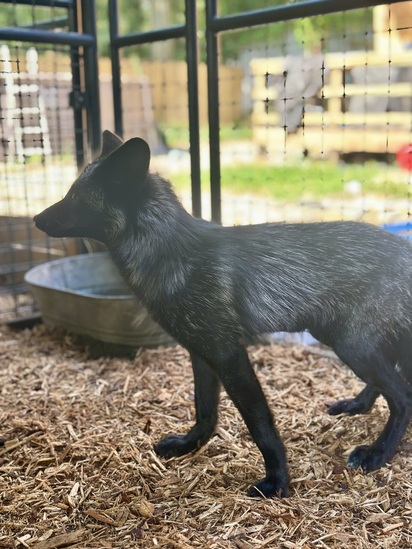
Figure 1: Silver Fox
Foxes require secure outdoor housing that allows them to express natural behaviors such as running, digging, climbing, and exploring. Because foxes are extremely curious and intelligent animals, proper enclosure design is one of the most important parts of responsible fox ownership.
A well-built enclosure provides both safety and enrichment, giving foxes the space they need while preventing escapes.
In Florida, captive wildlife housing is regulated by the Florida Fish and Wildlife Conservation Commission (FWC). Enclosures must be structurally sound, escape-proof, and provide protection from weather while still allowing animals room to move, climb, and interact with enrichment items.
* Housing requirements may vary by location. Always review your local wildlife regulations before constructing an enclosure *
Minimum enclosure size for one or two foxes:
8 ft x 6 ft x 6 ft
Additional animals require increased enclosure space by 25%
Fox enclosures should include a secure roof to prevent climbing escapes and protect the fox from outside predators.
Roof panels should be securely attached to the enclosure frame so the structure remains stable, durable, and escape-proof.
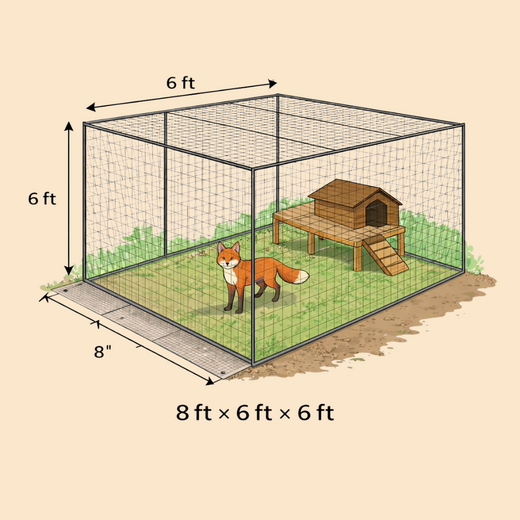
Figure 2: Example enclosure meeting minimum size requirements
Foxes are natural diggers and can escape enclosures quickly if proper barriers are not installed.
Secure enclosures should include a dig barrier extending at least 12–24 inches underground or outward along the perimeter to prevent escapes.
Foxes are omnivores, but their diet should be high in animal protein. In the wild, foxes eat a variety of prey including small mammals, birds, insects, eggs, fruits, and vegetation. A captive diet should aim to mimic this natural variety as closely as possible.
Protein should make up the majority of a fox’s diet, supported by smaller portions of fruits and vegetables.
* A balanced diet with plenty of protein and variety helps support healthy energy levels, coat condition, and overall health in captive foxes *
Foxes are extremely intelligent and curious animals that require daily mental stimulation. In the wild, foxes spend much of their time exploring, hunting, digging, and investigating their environment.
Without regular enrichment, foxes can become bored, stressed, or destructive. Providing a variety of enrichment activities helps keep them mentally stimulated while encouraging natural behaviors.
Enrichment should be rotated regularly to keep the environment interesting and engaging.
Many fox owners also use feeding time as enrichment by hiding food items around the enclosure, encouraging the fox to forage and search just as they would in the wild.
Digging is one of the most natural behaviors for foxes. Providing a designated dig box or digging area allows foxes to express this instinct in a safe and controlled way.
This helps prevent frustration and keeps the fox mentally engaged.
Daily interaction with caretakers is another important form of enrichment. Many foxes enjoy supervised play, basic training sessions, and exploring new environments with their owners.
Positive reinforcement training can also help build trust and strengthen the bond between a fox and its caretaker.
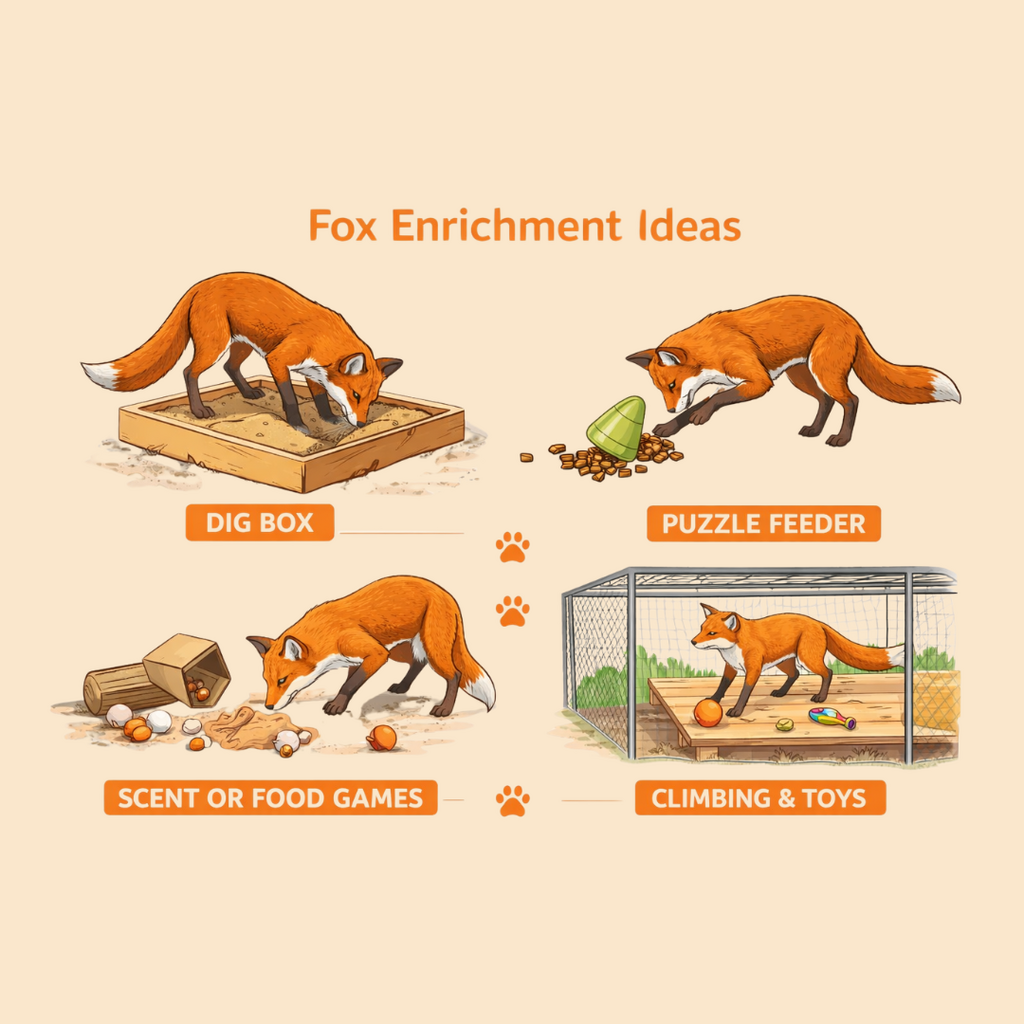
Figure 3: Examples of enrichment activities used to keep foxes mentally stimulated
While foxes require secure outdoor housing, many owners allow supervised indoor interaction. Foxes can enjoy spending time indoors, but because foxes are naturally curious and energetic, indoor environments must be carefully managed to keep both the fox and the home safe.
Foxes may climb furniture, investigate cabinets, and explore unfamiliar spaces. Their natural instincts to dig and chew can sometimes lead to destructive behavior indoors.
Important indoor considerations include:
Foxes naturally use scent to mark territory. Even well-socialized foxes may occasionally mark areas of the home, especially during seasonal hormone changes or when exploring new environments.
Because of this behavior, many owners limit indoor access or supervise indoor time carefully.
Some foxes can be trained to use litter boxes or puppy pads, but success varies between individuals.
Litter training can be helpful, but it should not be considered completely reliable.
When allowing indoor access, it is helpful to designate a fox-safe area where breakable items, toxic plants, and small objects have been removed.
Fox-proofing your space helps prevent accidents and keeps both the fox and the home safe.
Some foxes can be crate trained for short periods of time. A properly sized crate can provide a safe space for the fox and help prevent destructive behavior or accidents while unattended.
When used appropriately, crate training can be a useful management tool for short periods.
Every fox is different, and personality can vary depending on species, socialization, and individual temperament.
Video 1: Example of fox vocalizations including chirping and chatter sounds commonly heard from pet foxes
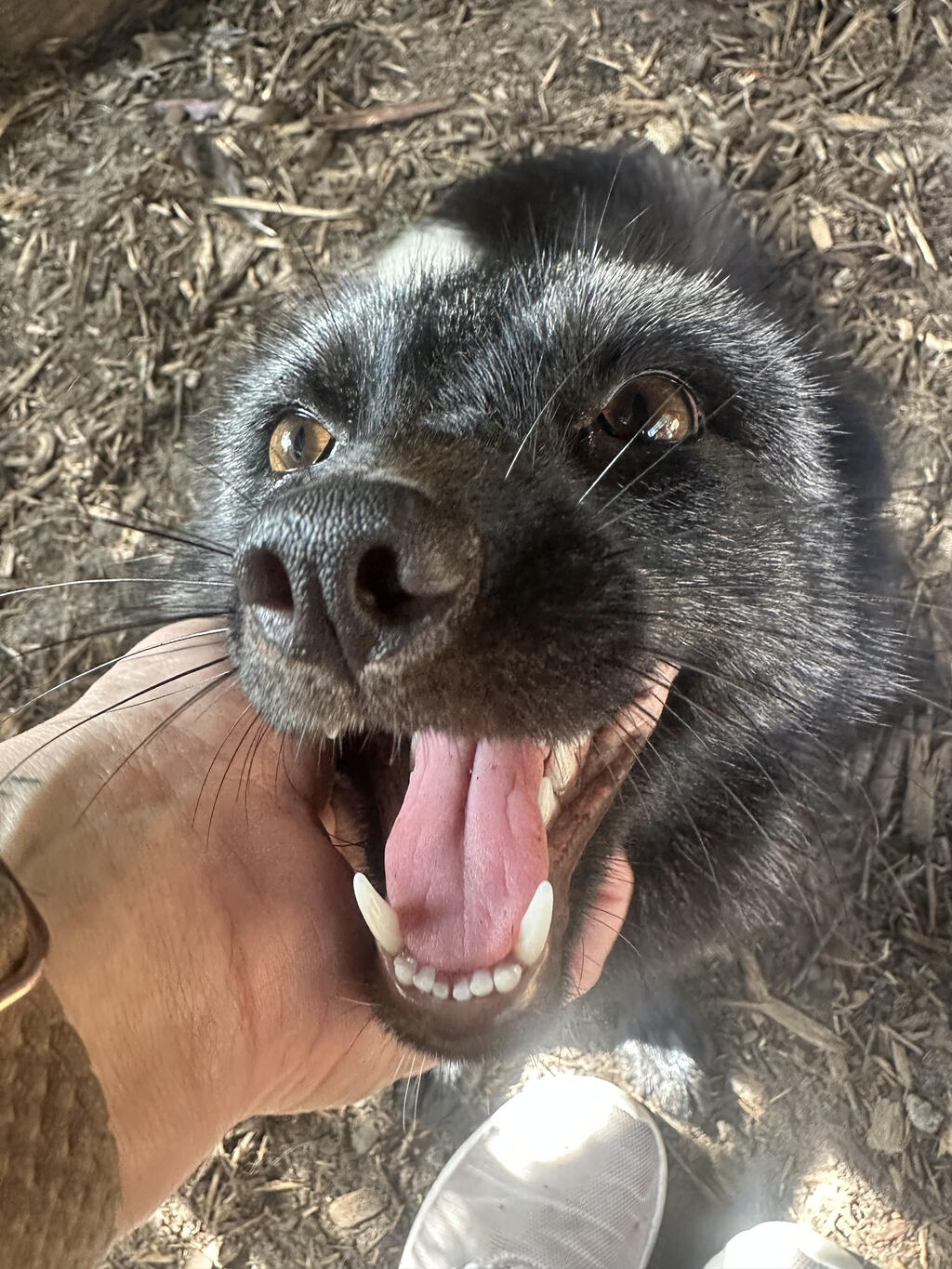
Figure 4: Example of consistent positive interactions with their caretaker(s)
Foxes are intelligent and observant animals that form relationships through trust and consistent positive experiences. While some foxes may become affectionate with their caretakers, bonding takes time and patience.
Unlike domesticated pets, foxes retain strong natural instincts. Because of this, trust must be earned gradually rather than forced.
Building a bond with a fox often involves:
Trust can develop slowly, especially with younger or newly introduced foxes. Positive daily interaction helps foxes become comfortable with their caretaker and environment.
It is also important to understand that trust can be fragile. Negative experiences, rough handling, or sudden environmental changes can cause a fox to become fearful or withdrawn. Consistency, patience, and respectful handling are essential for maintaining a healthy relationship.
Every fox is unique, and the bonding process may vary depending on the animal’s personality, socialization, and past experiences.
Foxes require access to a veterinarian who is comfortable working with exotic animals. Not all veterinary clinics treat foxes, so owners should locate an experienced exotic veterinarian before bringing a fox home.
Routine veterinary care helps monitor overall health and detect potential issues early.
Veterinary care may include:
Because foxes are considered exotic animals, emergency care options may be more limited than for traditional pets. Owners should research veterinary services in advance and establish a relationship with a qualified clinic.
Fox ownership laws vary depending on location. In some areas, foxes may require permits, enclosure inspections, or additional licensing. In other states, foxes may be illegal to own.
Before acquiring a fox, potential owners should research state, county, and local regulations regarding exotic animal ownership.
Responsible owners should always ensure they are in compliance with applicable wildlife laws and regulations.
Understanding legal requirements is an important part of responsible exotic animal ownership.
Foxes and other exotic animals are not beginner pets. They require specialized care, proper housing, specific diets and owners who understand their natural instincts and behaviors.
Because of their energy level, sharp teeth, and unpredictable reactions, foxes are generally not recommended for homes with small children. Interactions between foxes and children should always be closely supervised.
Responsible ownership includes understanding the long-term commitment and unique needs required to properly care for these animals.
At Unable To Exotic, we strongly encourage potential owners to research and fully understand the responsibilities involved before bringing an exotic animal into their home.