Skunks are intelligent, curious animals known for their playful personalities, strong sense of smell, and constant desire to explore their environment. While they may look small and gentle, skunks are not typical pets. Their behaviors, needs, and instincts are very different from domesticated animals, and they require specialized care, proper housing, and consistent daily enrichment.
Owning a skunk requires preparation and a clear understanding of what responsible exotic animal care looks like. From proper nutrition and safe indoor environments to enrichment and behavioral management, skunk owners must be prepared to meet these unique needs every day.
For the right owner, however, skunks can be some of the most fascinating and rewarding animals to work with.
At Unable To Exotic, education is a core part of responsible ownership. The more people understand about exotic animals, the better equipped they are to provide the environments and care these species need to truly thrive.
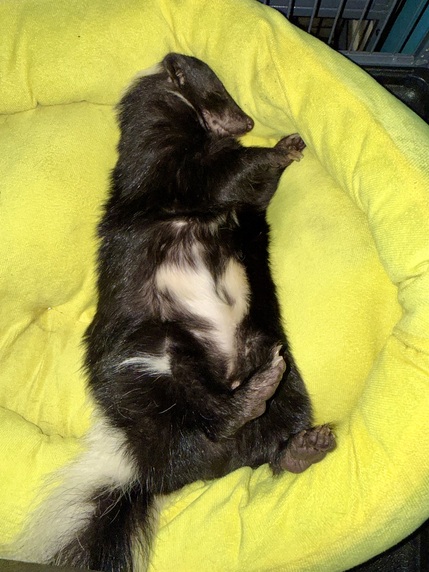
Figure 1: Black and white skunk sleeping
Most pet skunks live indoors as part of the household. Because of their curious and exploratory nature, the home environment should be carefully prepared to keep them safe while still allowing them room to investigate and interact with their surroundings.
Skunks should have a designated living area that includes a comfortable sleeping space, food and water dishes, and enrichment items. Many skunks enjoy soft beds, blankets, or nesting boxes where they can burrow and rest.
Homes should be skunk-proofed by securing trash cans, blocking small gaps or crawl spaces, and keeping hazardous items out of reach. Skunks are extremely curious and will explore cabinets, furniture, and hidden spaces.
Providing a consistent sleeping area, litter box location, and daily routine helps skunks feel secure and comfortable in their environment.
Indoor skunk spaces should include:
*Housing requirements may vary by location. Always review your local wildlife regulations before constructing outdoor enclosures*
Skunks require safe, secure housing that allows them to explore, dig, and express their natural behaviors. Because skunks are curious and determined animals, their environment must be carefully designed to prevent escapes and protect them from potential dangers.
Many pet skunks live primarily indoors, but they still benefit from supervised outdoor time or access to a secure outdoor enclosure. Whether indoors or outdoors, their space should provide room to explore, dig safely, and interact with enrichment items.
A well-designed living space provides both safety and enrichment, helping skunks stay mentally stimulated while preventing destructive behaviors caused by boredom.
In Florida, captive wildlife housing may be regulated by the Florida Fish and Wildlife Conservation Commission (FWC). Owners should ensure any outdoor housing is secure, escape-proof, and compliant with local wildlife regulations.
(Florida/FWC Requirements)
Minimum enclosure size for one or two skunks:
5 ft × 4 ft × 3 ft
Additional animals require increased enclosure space by 25%
Outdoor skunk enclosures must include a nest box or shelter large enough for all animals in the enclosure.
Shelters should provide protection from rain, wind, and direct sun. Skunks often prefer enclosed areas where they can sleep, burrow, and feel secure.
Soft bedding materials or nesting areas can help create a comfortable resting space.
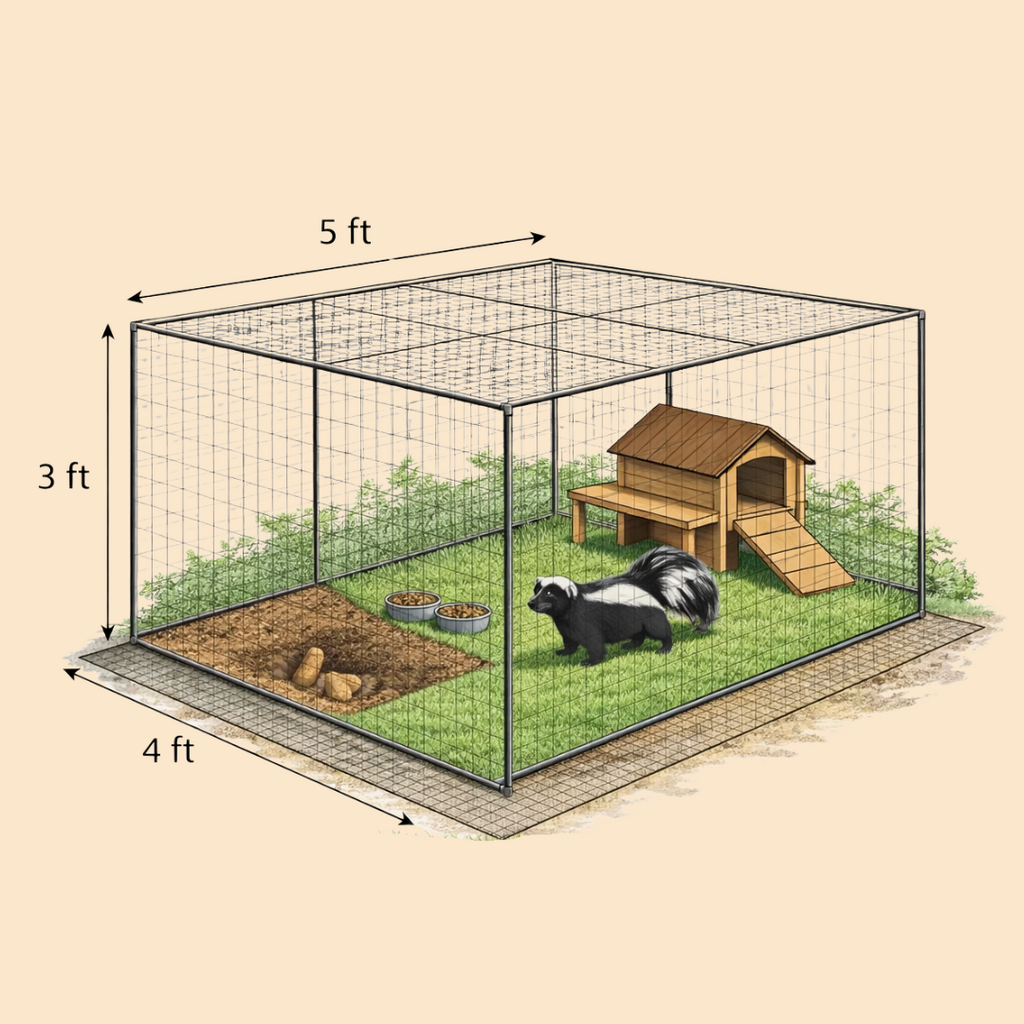
Figure 2: Example of outdoor skunk enclosure meeting FWC minimum housing requirements for skunks
Skunks are natural diggers; outdoor enclosures should include a secure dig barrier to prevent escape. Common methods include buried wire mesh extending underground or outward along the perimeter.
Secure doors and properly installed wire mesh are also important for maintaining a safe enclosure.
FWC regulations require that captive wildlife enclosures include devices that provide physical stimulation or manipulation compatible with the species.
Enrichment examples:
These items help keep skunks mentally stimulated and allow them to express natural behaviors.
Skunks are omnivores and require a balanced diet that includes protein, vegetables, and small amounts of fruit. In the wild, they eat insects, small animals, eggs, fruits, and plant matter. A captive diet should aim to mimic this natural variety as closely as possible.
Protein should make up a large portion of a skunk’s diet, supported by vegetables and occasional fruits.
*A balanced diet with proper portion control helps prevent obesity and supports long-term health in pet skunks*
Providing variety helps ensure balanced nutrition and keeps feeding time enriching.
Fresh water should always be available
Some foods can be harmful or unhealthy for skunks and should not be fed.
These foods can lead to digestive issues, toxicity, or long-term health problems
Every skunk is different, and personality can vary depending on socialization and individual temperament.